Showing posts with label Japan. Show all posts

Akebono Kodomo no Mori Koen (Hanno/ Japan)


Akebono Kodomo no Mori Koen is a "Moomin Valley" inspired park for children, consisting of a collection of adorable buildings, bridges, a tree house, and a light-house in the center of a small pond.
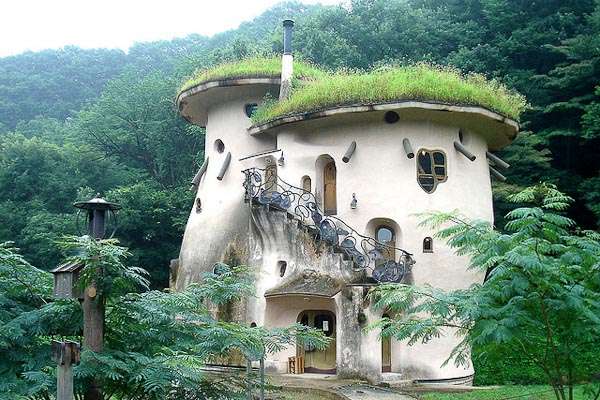
The white house (pictured above) has live grass growing on the roof. The inside of the building has three floors, with elaborate, wooden staircases & a beautiful iron railing.

Shell Villa (Kitasaku/ Japan)


The ultra modern design of the Shell Villa is the work of Japanese firm ARTechnic Architects. Curved concrete slopes around tall fir trees and while it's not a part of nature it was designed to coexist in harmony within it.

Kobe Luminarie Festival (Kobe/ Japan)


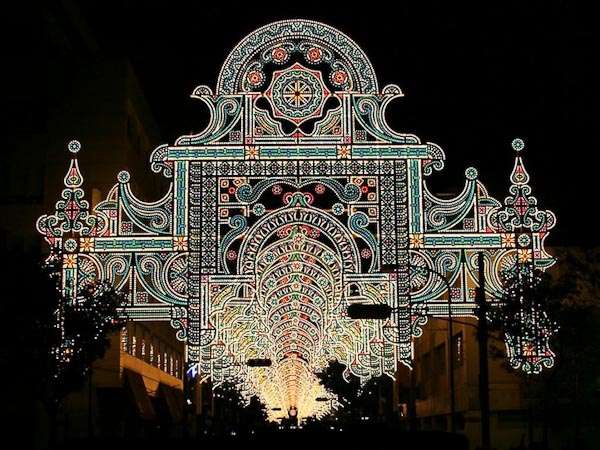
Kobe Luminarie is a light festival held in Kobe every December since 1995 to commemorate the Great Hanshin earthquake of that year. The lights were donated by the Italian Government and the installation itself is produced by Valerio Festi and Hirokazu Imaoka.
Over 200,000 individually hand painted lights are lit each year with electricity generated from biomass in order to stay environmentally friendly.

Lights are kept up for about two weeks and turned on for a few hours each evening. Major streets in the vicinity are closed to auto traffic during these hours to allow pedestrians to fill the streets and enjoy the lights.
The photos in this post are of designs from several years.

Alice in Fantasy Land - Restaurant (Osaka/ Japan)


Alice in Wonderland is popular in Japan so Diamond Dining have created several cafe/ restaurants with variations of the theme.

See also:
"Alice in Magic Land"
"Alice in an old Castle"
"Alice in a Labyrinth"
"Alice in Dancing Land"
"Alice in a Picture Book"

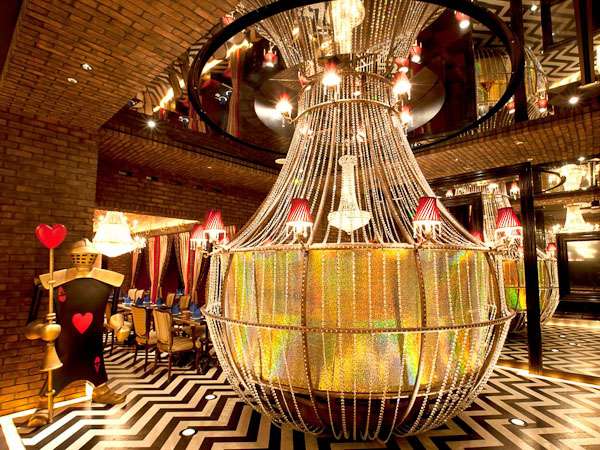
The Osaka version has an ‘Alice through the looking glass’ theme featuring a magnificent chandelier above an open space dining area as well as curtained private booths to retreat to.

Robot Restaurant (Tokyo/ Japan)


Despite the name "Robot Restaurant" this place isn't one focused on food but rather a surreal, bizarre, awesome, over-the-top, trippy arena in which one is entertained by girls dressed as sexy robots having a laser battle on neon tanks etc while you munch on the contents of a bento box. The feel is very much Vegas with a Japanese twist.
Located in the “neon district” of Shinjuku it was brought to life in 2012 and reportedly cost around $10 million.
In the waiting lounge alone (pictured above) around 12,000 bulbs adorn the walls, while the basement stage area (ceilings too) is surrounded by more than 200 colorful 44-inch monitors.

Alice in a Picture Book - Restaurant (Tokyo/ Japan)


Alice in Wonderland is popular in Japan so Diamond Dining have created several cafe/ restaurants with variations of the theme.

See also:
"Alice in Magic Land"
"Alice in an old Castle"
"Alice in a Labyrinth"
"Alice in Dancing Land"
"Alice in Fantasy Land"

This Shinjuku restaurant has lots of grand chandeliers and the Alice themed wallpaper gives a feel of dining inside a picture book.

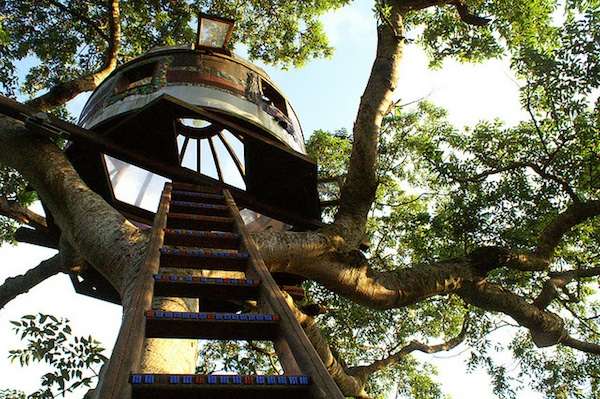
Takasugi-an - Tea house Tree house (Chino/ Japan)


Takasugi-an literally means “a tea house [built] too high” is a project of academician and architect Terunobu Fujimori. Built atop two chestnut trees it is accessible only by ladders.
Following the tradition of tea masters, who maintained total control over the construction of their tea houses, Fujimori designed and built the structure for his own use. He finds that a tea house is “the ultimate personal architecture.” Its extreme compactness feels like an extension of one’s body, “like a piece of clothing.”
Once inside, the simple interior evokes the serenity more suited to the purpose of making tea and calming one’s mind.

Alice in Dancing Land - Restaurant (Tokyo/ Japan)


Alice in Wonderland is popular in Japan so Diamond Dining have created several cafe/ restaurants with variations of the theme.

See also:
"Alice in Magic Land"
"Alice in an old Castle"
"Alice in a Labyrinth"
"Alice in a Picture Book"
"Alice in Fantasy Land"

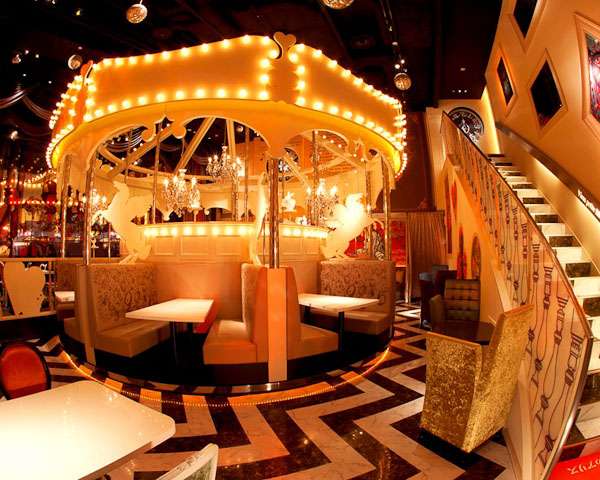
"Alice in Dancing Land" has a seating area underneath a festive carousel. The Cheshire cat dance floor and magical decor enhance the wonderland feeling.


Alice in a Labyrinth - Restaurant (Tokyo/ Japan)


Alice in Wonderland is popular in Japan so Diamond Dining have created several cafe/ restaurants with variations of the theme.

See also:
"Alice in Magic Land"
"Alice in an old Castle"
"Alice in Dancing Land"
"Alice in a Picture Book"
"Alice in Fantasy Land"

"Alice in a Labyrinth" is located in Tokyo's Ginza district. Upon arrival you make your way down a hallway of book pages bearing the original Alice illustrations. The restaurant's interior features giant playing card tables, dining booths inside a big teacup and of course the waitresses sporting Alice gear.

Alice in an Old Castle - Restaurant (Tokyo/ Japan)


Alice in Wonderland is popular in Japan so Diamond Dining have created several cafe/ restaurants with variations of the theme.

See also:
"Alice in Magic Land"
"Alice in a Labyrinth"
"Alice in Dancing Land"
"Alice in a Picture Book"
"Alice in Fantasy Land"

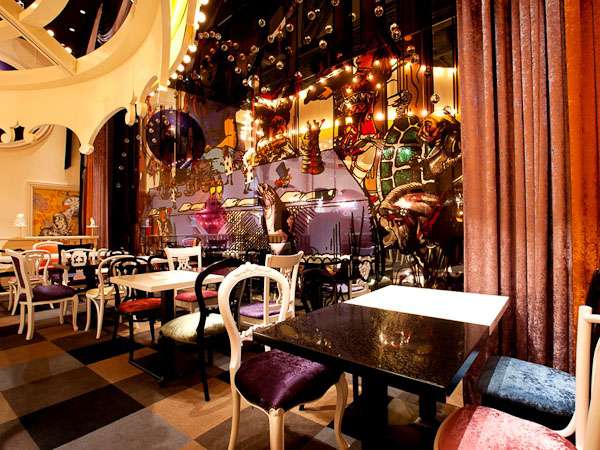
At "Alice in an Old Castle" the lavish decor suggests dining in an fantasy castle. Host a party and dine on a festive long table or in a private booth seamed with velvety curtains. You can also be seated inside the mermaid cave or inside a giant queen chandelier draped with crystal beads - the choice is yours!

Bird Apartment Treehouse (Komoro/ Japan)


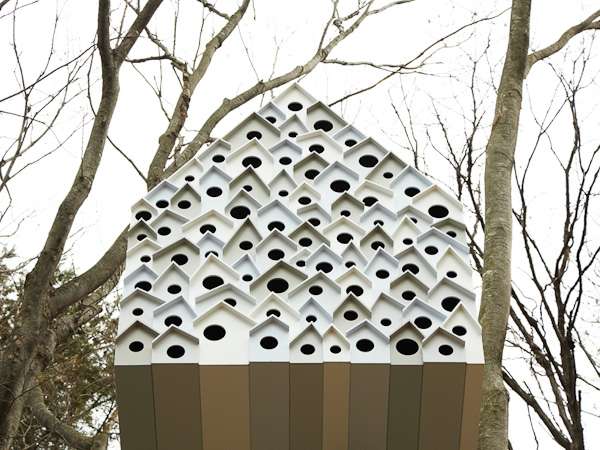
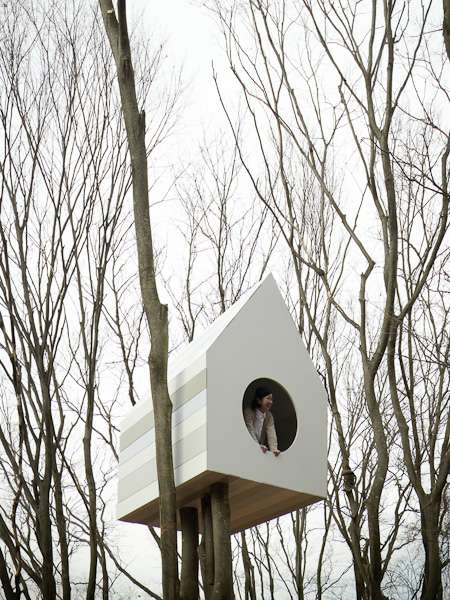
Designed by nendo this tree house ‘bird-apartment’ is divided in two and can be used by multiple birds & one person on the opposite side of the structure. It was developed for the Momofuku Ando Centre – committed to promoting access to nature – in the forest of Komoro city in Japan’s mountainous Nagano prefecture.

One side features 78 nest spaces for birds, while the other has an opening for one person to enter and peer into the birds’ nests from inside the tree house via a series of peepholes.


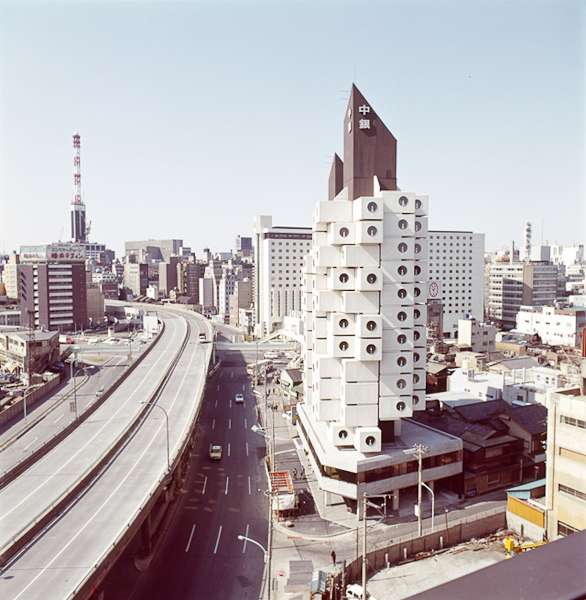
The Nakagin Capsule Tower (Tokyo/ Japan)


The Nakagin Capsule Tower is a mixed-use residential and office tower in Shimbashi, Tokyo.
Completed in 1972, the building is a rare remaining example of Japanese Metabolism, an architectural movement emblematic of Japan's postwar cultural resurgence. The building was the world's first example of capsule architecture built for permanent and practical use. The building still exists but has fallen into disrepair. As of October 2012, around thirty of the 140 capsules remained in use as apartments, while others were used for storage or office space, or simply abandoned and allowed to deteriorate.

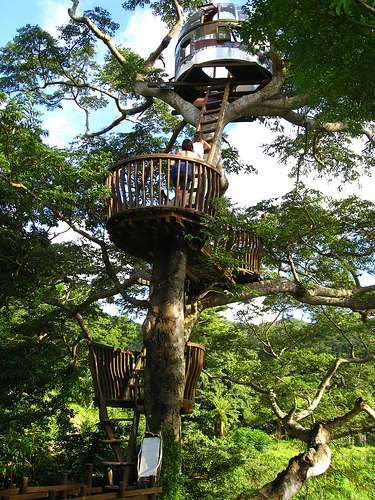
Beach Rock Treehouse (Okinawa/ Japan)


High above the ground in Japan's Okinawa forest lies the Beach Rock Tree house. It was built by tree house creator Kobayashi Takashi – originally to communicating with extra-terrestrials.
Ladders and platforms providing safe access to the tree house despite its height. For the adrenalin junkies, there's a giant rope swing nearby to take you sailing through the treetops!
<--more-->


Sources:1, 2

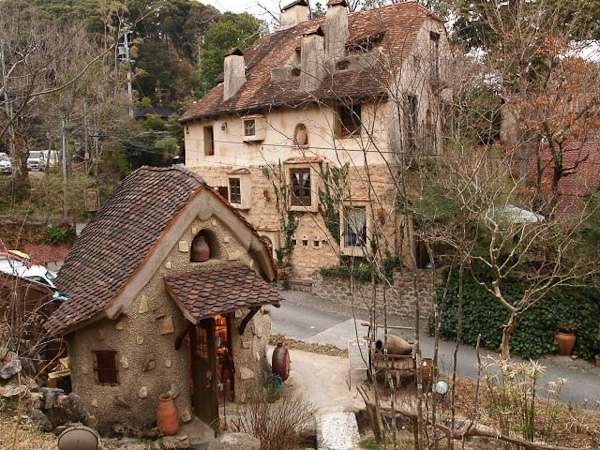
Nukumori no Mori (Hamamatsu/ Japan)


Looking like a set for Studio Ghibli movies like "My neighbour Totoro" Nukumori no Mori or "The Forest of Warmth" is a collection of shops and restaurants built in a style reflecting an idealized Japanese view of old Europe.

Wisteria Flower Tunnel (Kitakyushu/ Japan)


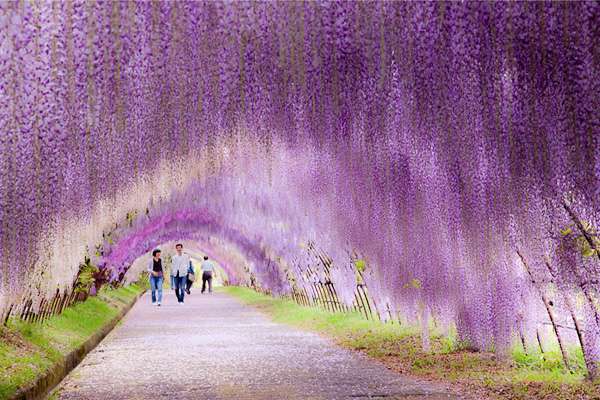
About 6 hours out of Tokyo in the city of Kitakyushu lies the Kawachi Fuji Garden famous for the "Wisteria Flower Tunnel" that allows visitors to walk down an enchanting tunnel exploding with the colour of 20 different species of Wisterias.
The best time to visit is from late April to mid May.

Abandoned Russian Village (Niigata/ Japan)


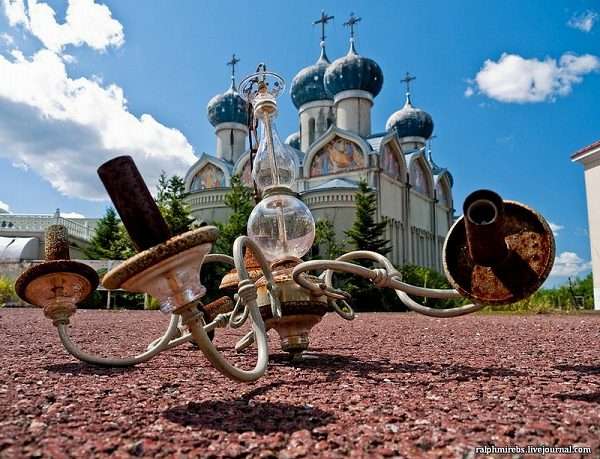
After the fall of the USSR a crowd of tourists consisting both of businessmen and those willing to sell old Japanese cars in Russia invaded Japan. The number of Russian citizens living next to eastern ports increased which lead to building an entertainment park next to Niigata city in 1993. It was called Niigata Russian Village and had a church, hotel, museums, restaurants, circus, etc... But after 10 years the village was abandoned following the collapse of the financing bank.

Nara Dreamland (near Nara/ Japan)


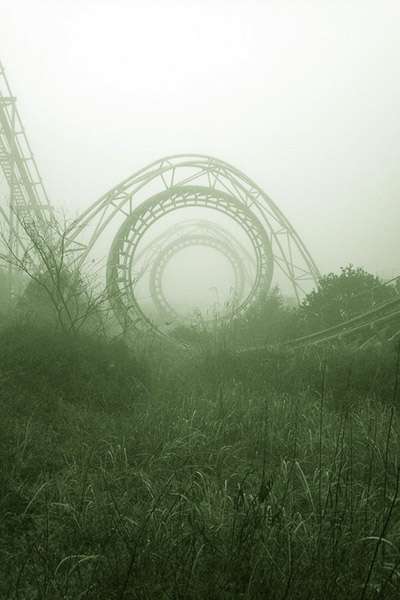
Nara Dreamland is an abandoned theme park built in 1961,inspired by Disneyland California. In 2006 Nara Dreamland closed permanently but wasn't demolished. Urban explorers armed with cameras illegally entered the place and took photos for the rest of us to view.

Trump Room (Tokyo/ Japan)


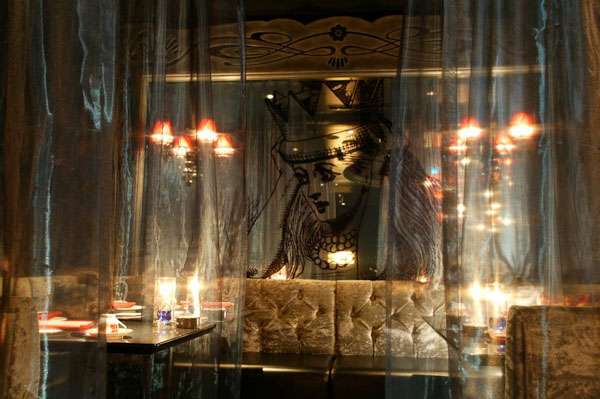
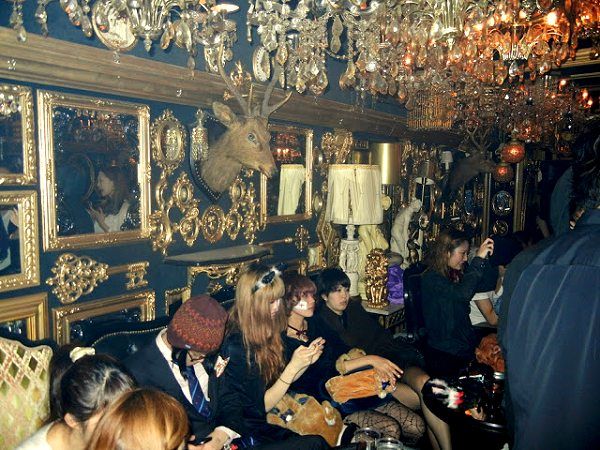
Under a sea of chandeliers and glitterballs, japanese fashionistas gather and dance & booze into the late hours of the night. Located on the 4th floor of a rundown building in Shibuya, this club is an underground hot spot for the eclectic crowd. Once inside, the Gothic mirrors aligning the wall along with the velvet sofas, transform the room into a glitzy, Victorian club. Elegance is key at this ultra chic spot, and guests often arrive in striking, cutting edge costumes.

Transparent House (Tokyo/ Japan)


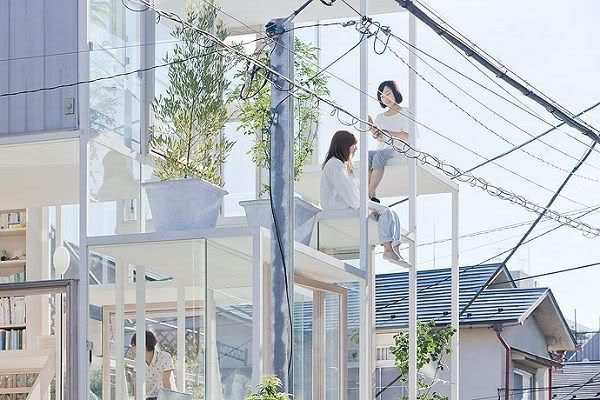
This house in Tokyo by Sou Fukimoto Architects, known as House NA, stands out with its modern and transparent style. The interior of the residence has hardly any walls. The house boasts large glass windows for plenty of daylight, but the downside is a lack of privacy.

The three-story edifice features various levels of living space within the segmented structure that's great to just hang out on, as if you were perched atop a tree branch. House NA is the modern interpretation of an adult treehouse for permanent residence.

9 h Capsule Hotel (Kyoto/ Japan)


9h (nine hours) is one of Japan's newest Capsule Hotels and offers a "luxury" capsule experience. It features 125 modern capsules spread over 9 storeys, separate male and female quarters, designer locker rooms, showers and a lounge. The hotel also offers guests a 9h amenity kit, including: bottled water, toothbrush, shampoo, conditioner, body soap, slippers and optional lounge wear. The capsules feature a alarm clock system with controlled lighting, and curved mattresses and pillows made to ensure a natural posture while you sleep.

Originally invented for businessmen who missed their last train home, this is a concept for guests who primarily want to sleep and nothing else: 1 hour shower, sleep for 7 hours, have a one hour break / total 9h although you can also stay for longer.
Related Posts Plugin for WordPress, Blogger...